The Short Answer
Capped composite handles Georgia weather best for low upkeep and long life, pressure-treated pine is the budget workhorse that needs sealing, and cedar and tropical hardwood offer natural looks with trade-offs. The humid climate rewards materials that resist moisture, which puts capped composite at the top for most Woodstock homeowners who do not want to reseal a deck every year.
How Each Material Handles the Climate
| Material | Moisture resistance | Upkeep in Georgia | Summer heat underfoot |
|---|---|---|---|
| Capped composite | High | Wash twice a year | Warmer, esp. dark colors |
| Pressure-treated pine | Low–moderate | Reseal every 1–3 years | Cooler |
| Cedar | Moderate | Reseal regularly | Cooler |
| Tropical hardwood (ipe) | High | Oil to keep color | Cooler, very dense |
Capped Composite
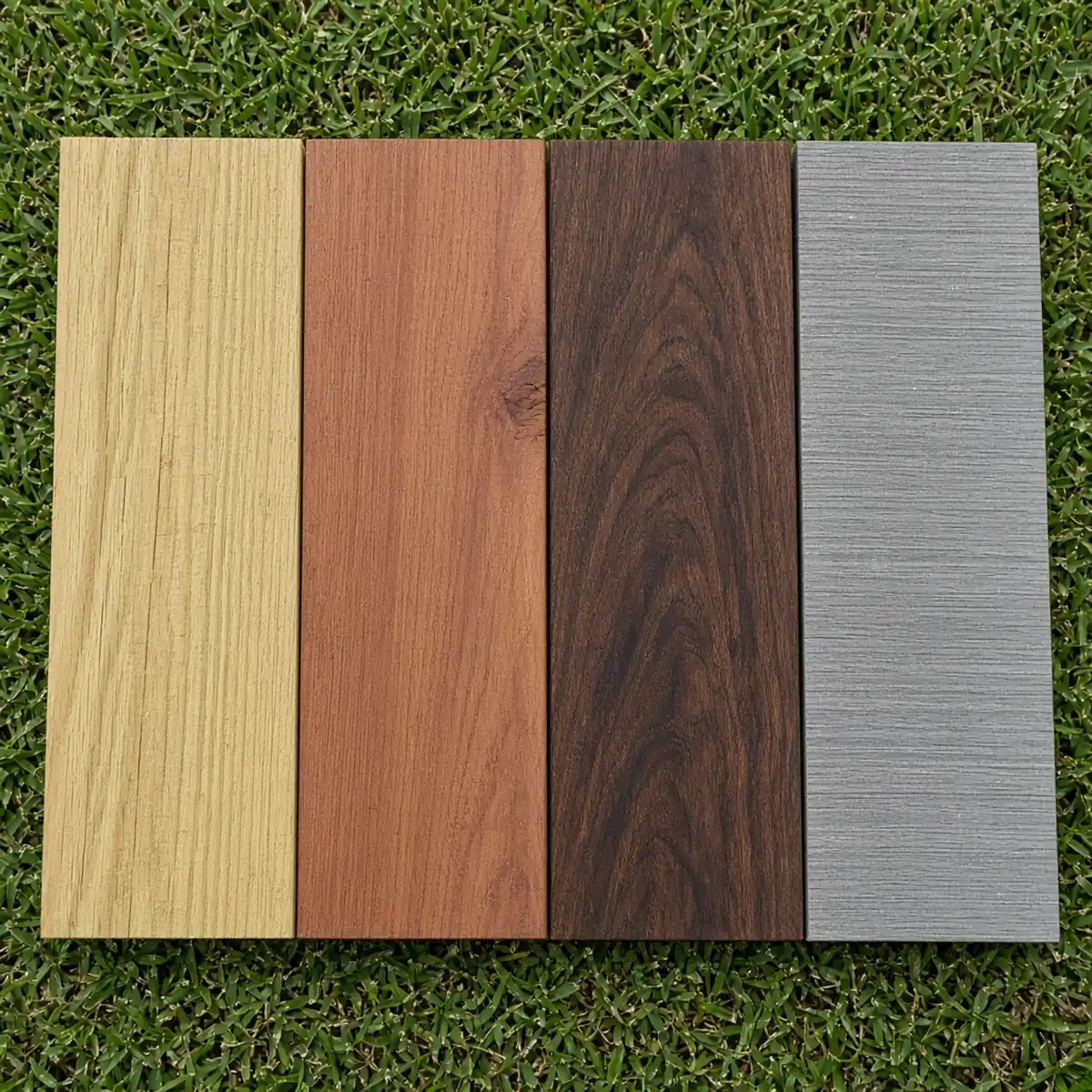
Capped composite leads for Georgia because its polymer shell does not absorb the moisture that drives rot and mildew into wood. It holds 25 to 30 years at the surface, needs only occasional washing, and resists the UV fade that grays wood. The trade is a higher up-front material choice and more heat underfoot on dark boards in full sun, which a lighter color offsets. For a long-term Woodstock deck, it is the lowest-maintenance option.
Pressure-Treated Pine
Pressure-treated pine is the budget standard and the most common deck frame material in Georgia. As a surface it costs the least up front, but it needs cleaning and resealing every one to three years to survive the humidity, and it rots if that upkeep lapses. It stays cooler underfoot than dark composite. For a short-term budget or a homeowner who will keep up the sealing, it still works here.
Cedar and Tropical Hardwood
Cedar brings a natural look with some built-in rot resistance, but in Georgia's humidity it still needs regular sealing and is softer than hardwood. Tropical hardwoods like ipe are extremely dense and naturally resist moisture and insects, lasting decades, though they cost more and need periodic oiling to hold color. Both are chosen for looks more than for low maintenance, and both suit a homeowner who wants real wood and accepts the upkeep.